Zhentai
Nonwoven production lines (needle punch)
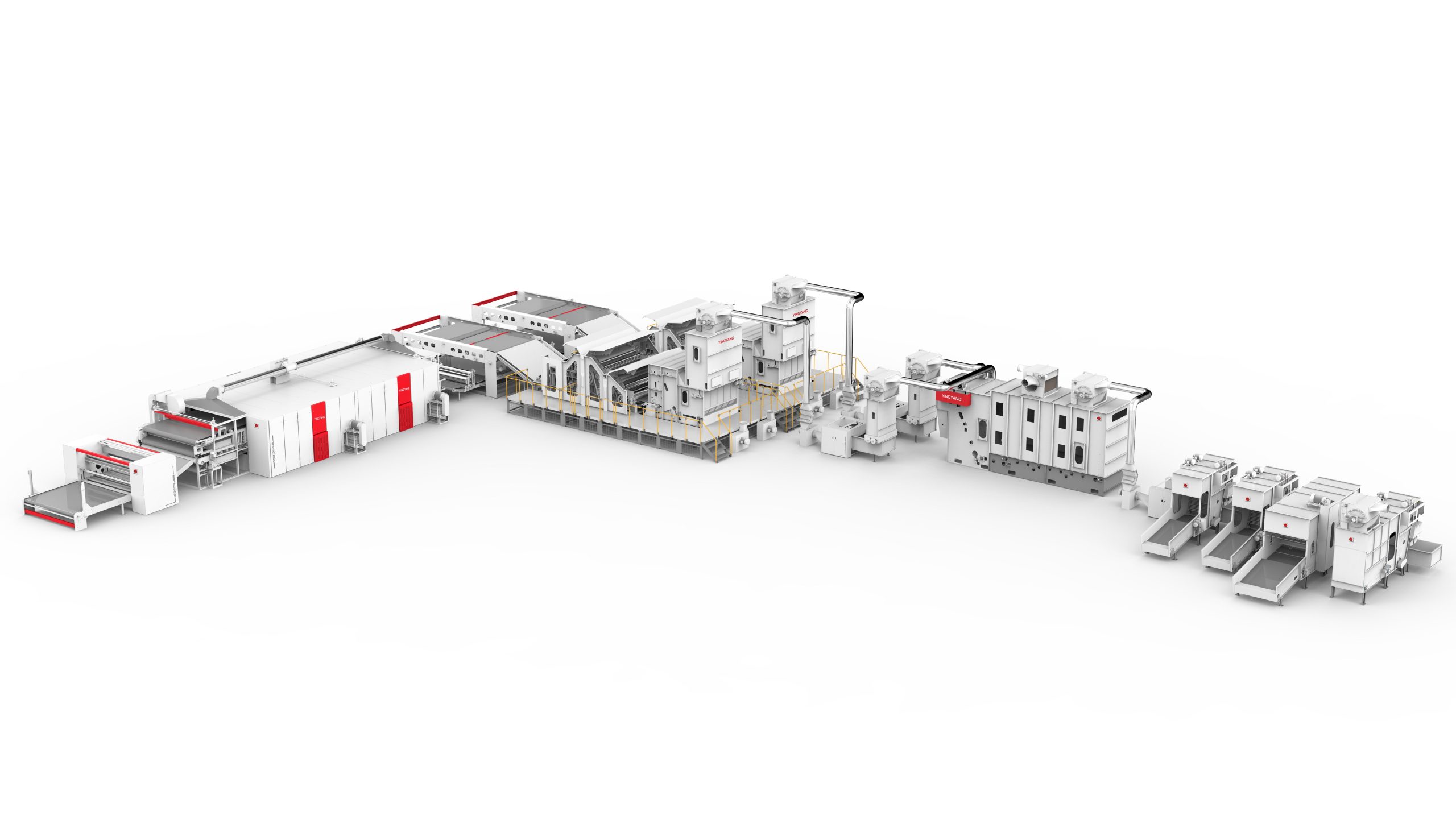
Full lines or individual machines: opening & blending, carding, web formation, needle-punch, spunlace and thermal bonding.
Opening & Blending
Zhentai
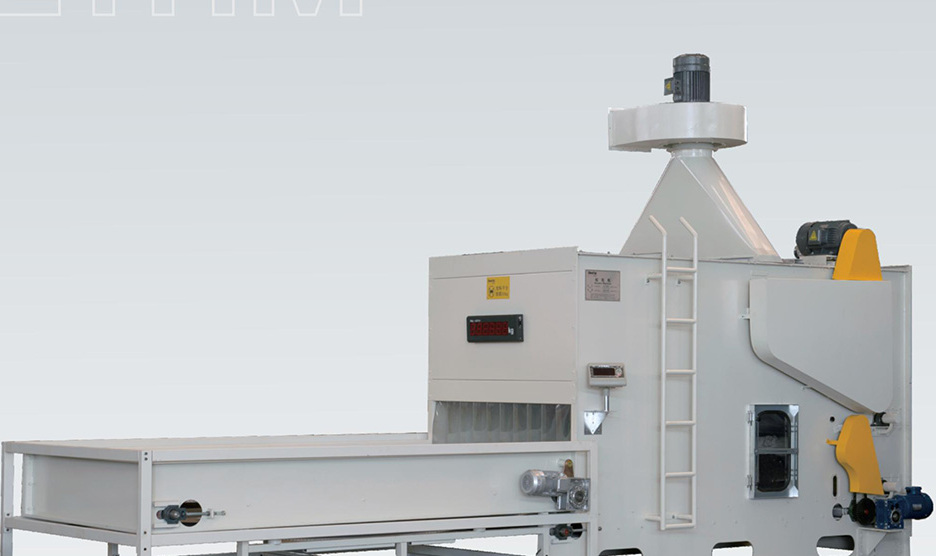
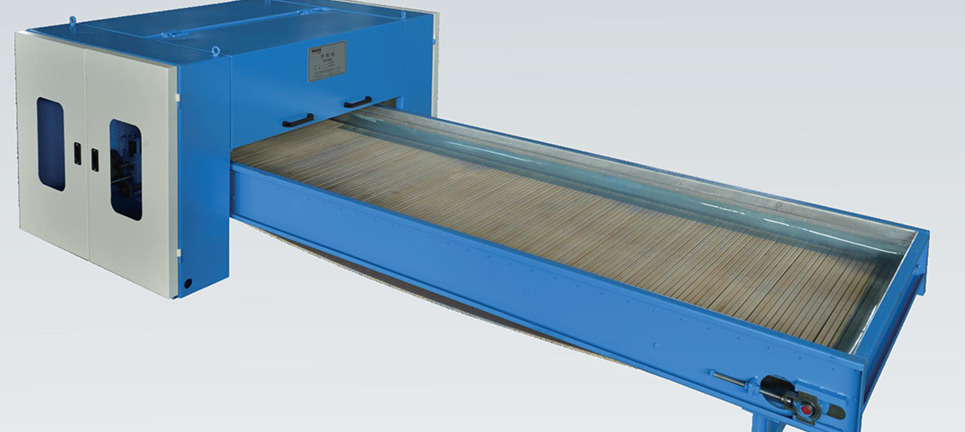
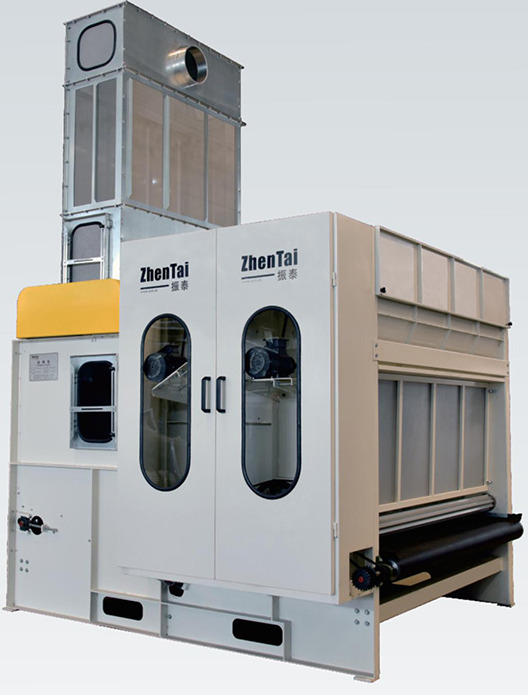
Zhentai Blending Opener
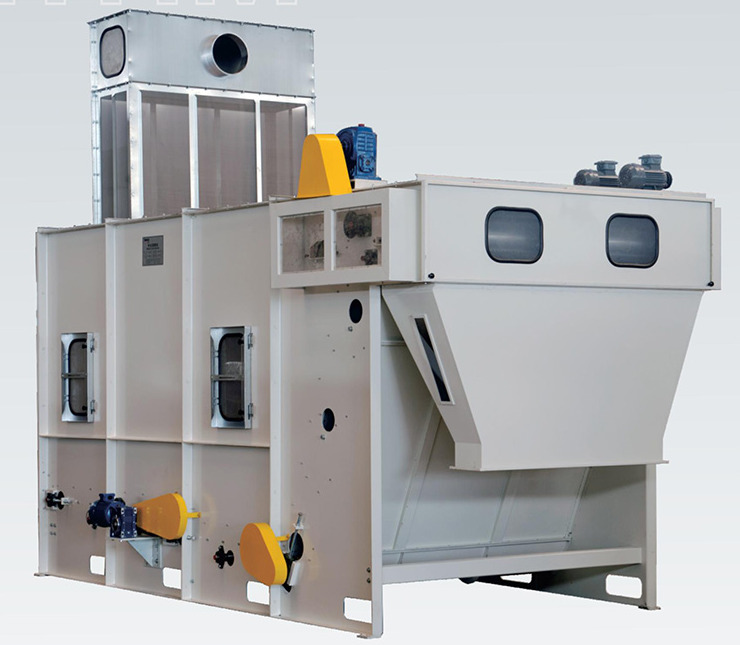
Zhentai Fine Opener
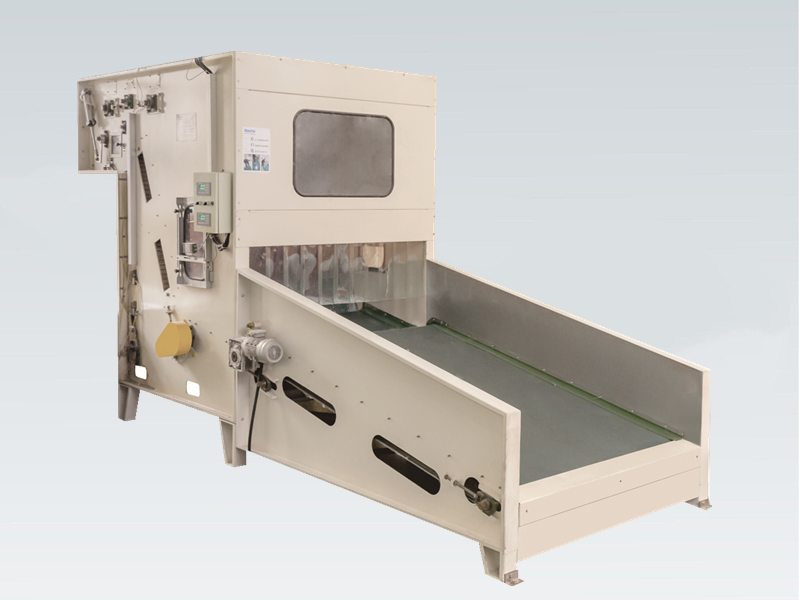
Zhentai Middle Chamber Blender
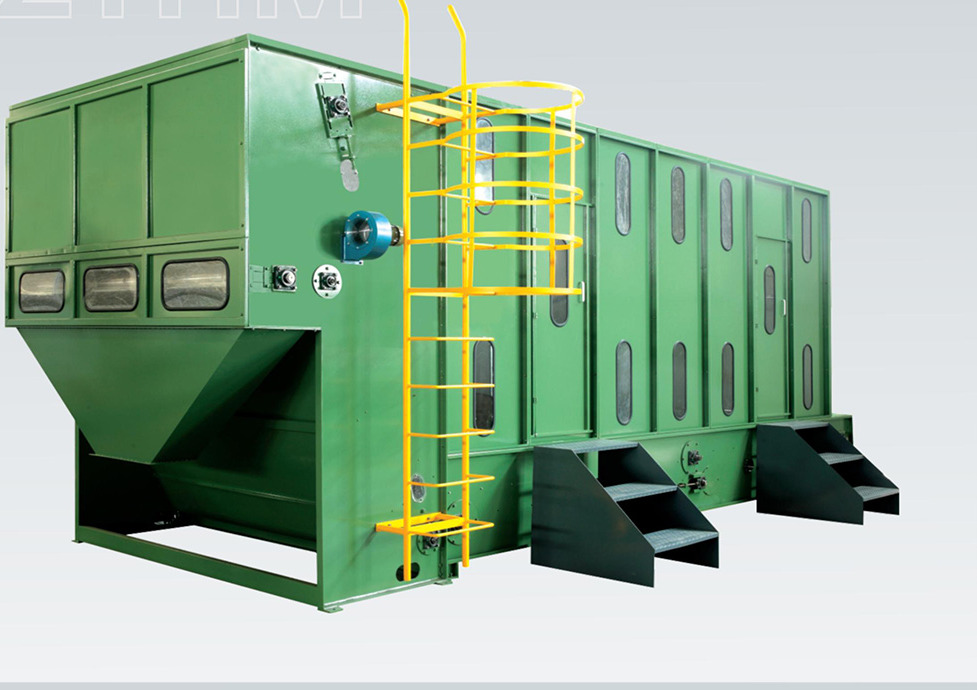
Zhentai Big Chamber Blender
Zhentai Charter opening machine
Carding
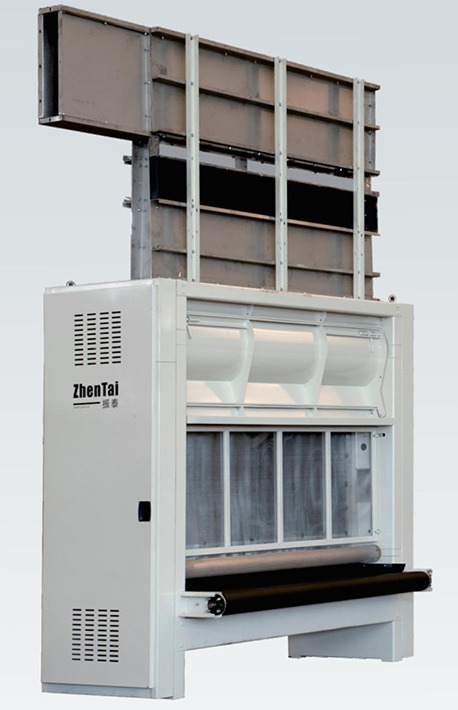
Zhentai Acoustic Vibration Feeder
Zhentai Vibration Feeder
Zhentai Reserve Box
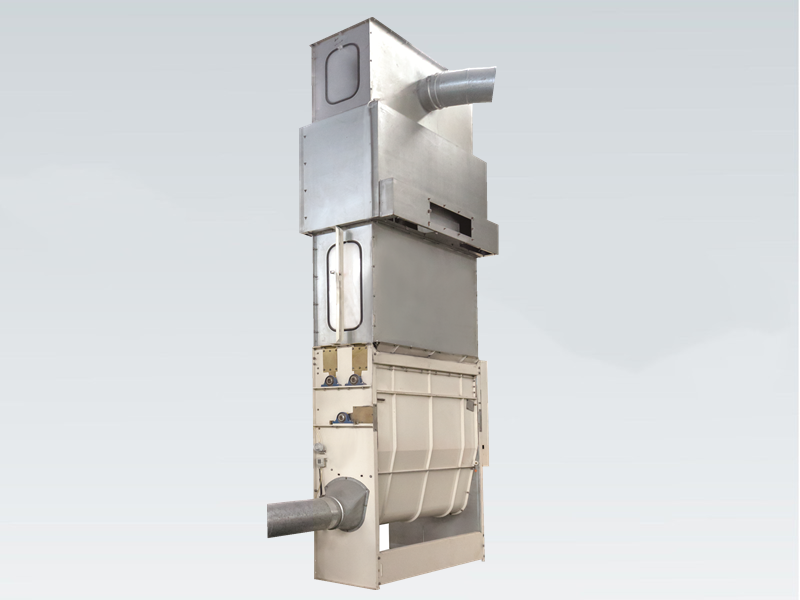
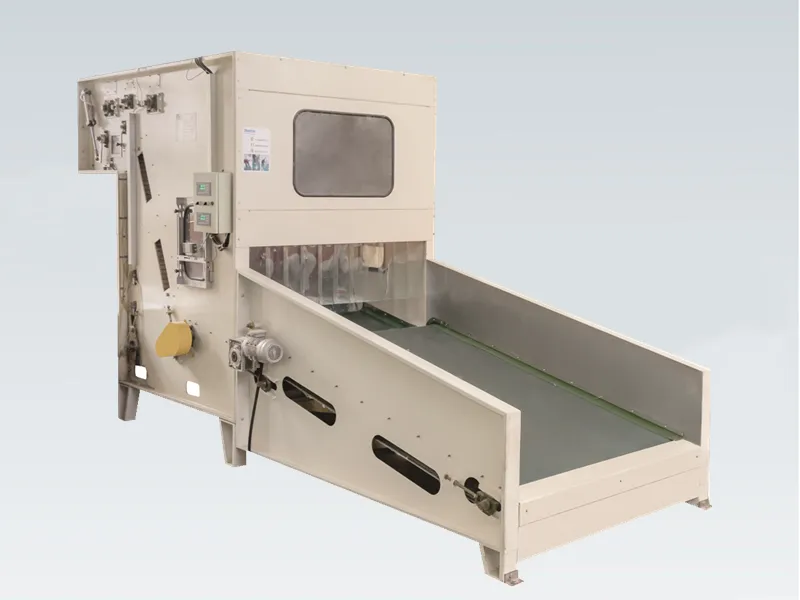
Zhentai Air Pressure Feeder
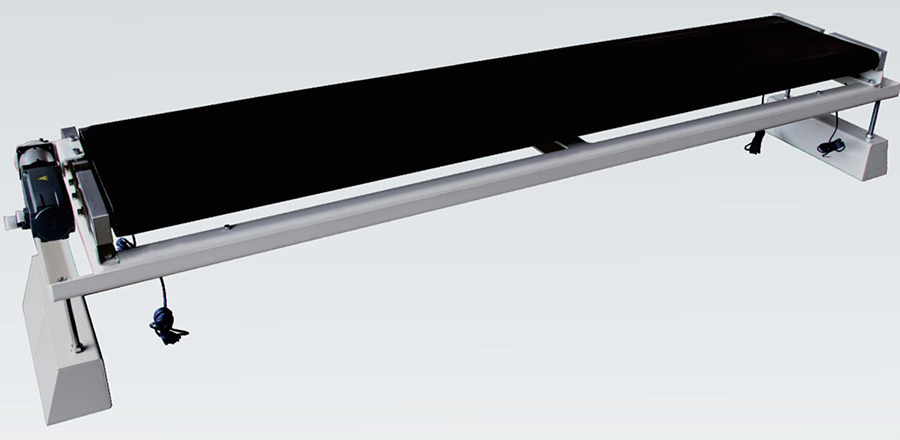
Zhentai Belt Weighing
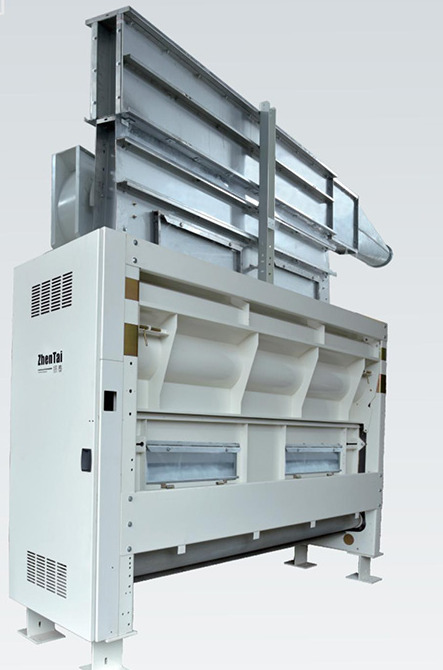
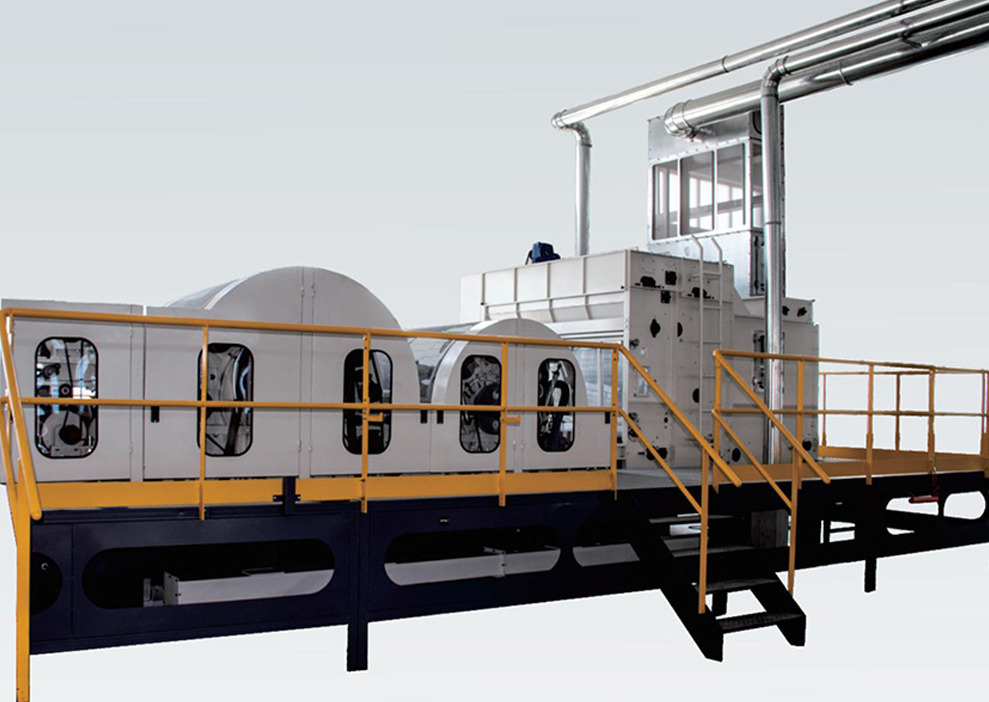
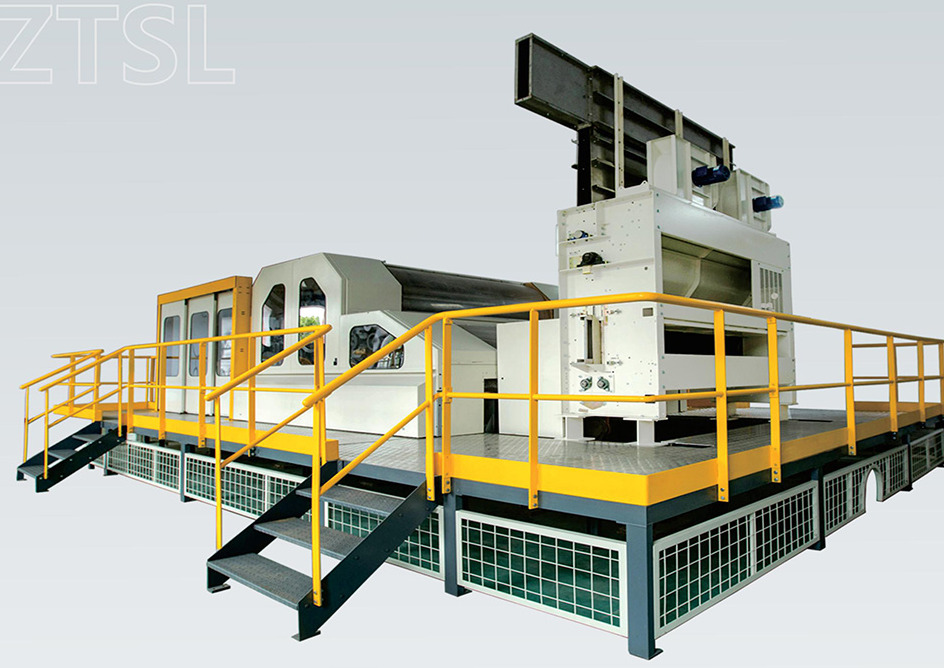
Zhentai Double-Cylinder Carding Machine
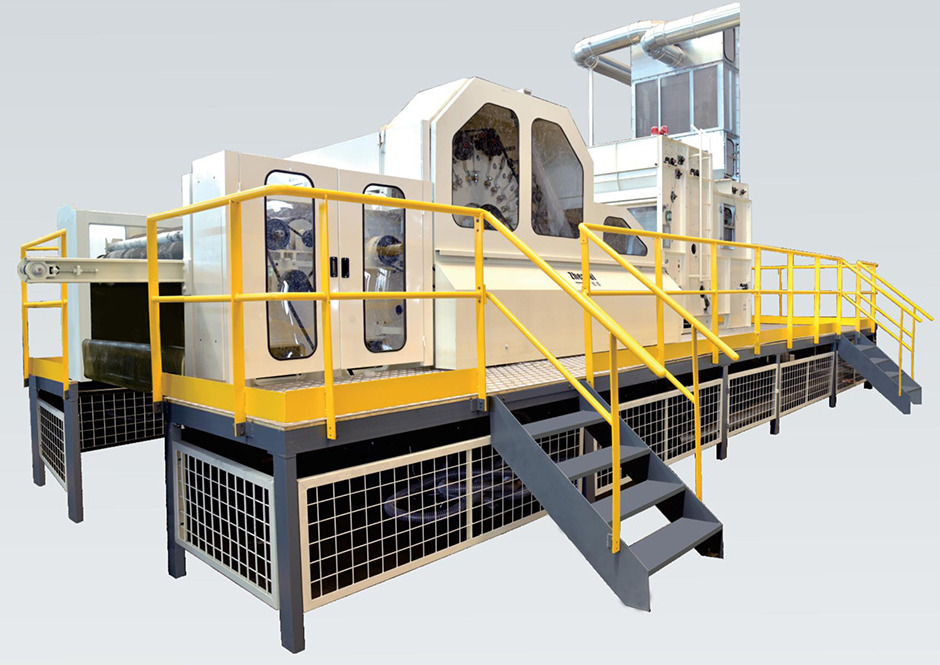
Zhentai II High Speed Carding Machine
Zhentai Ⅲ High Speed Carding Machine
Web Formation
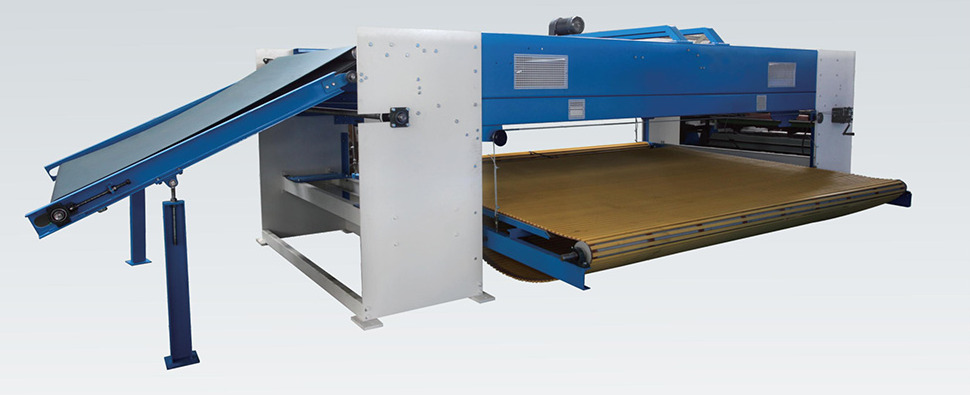
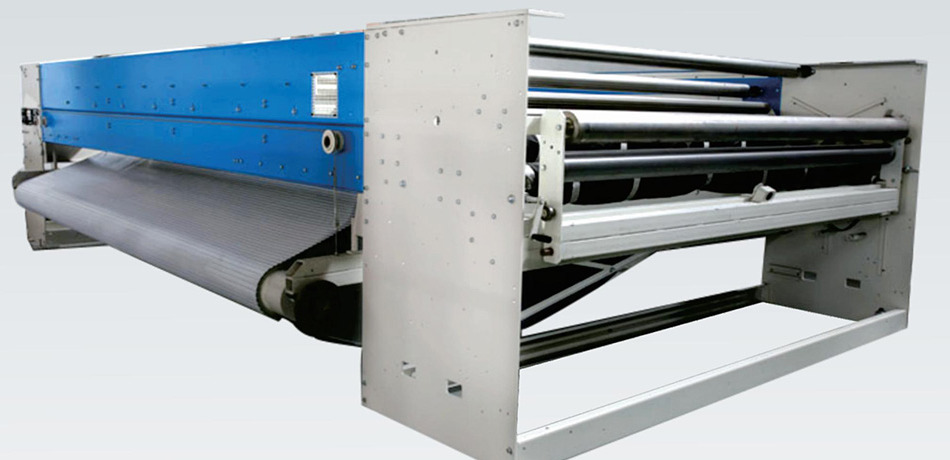
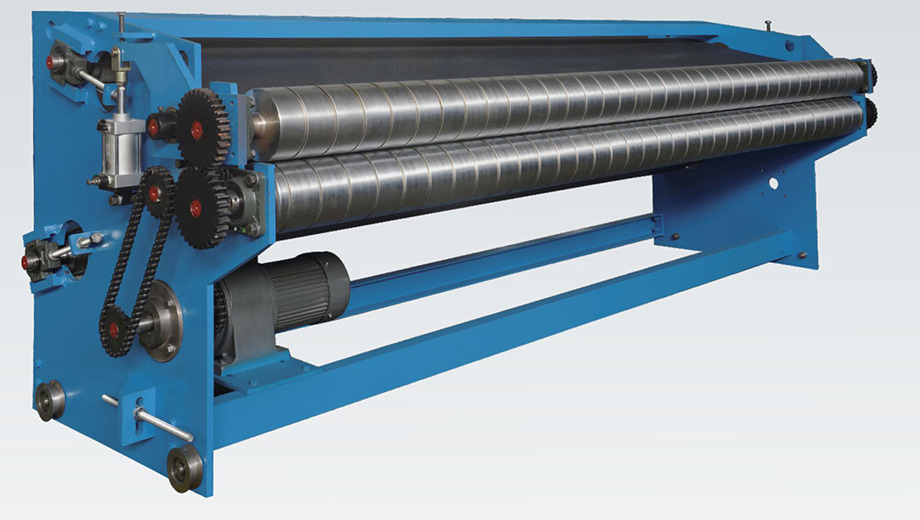
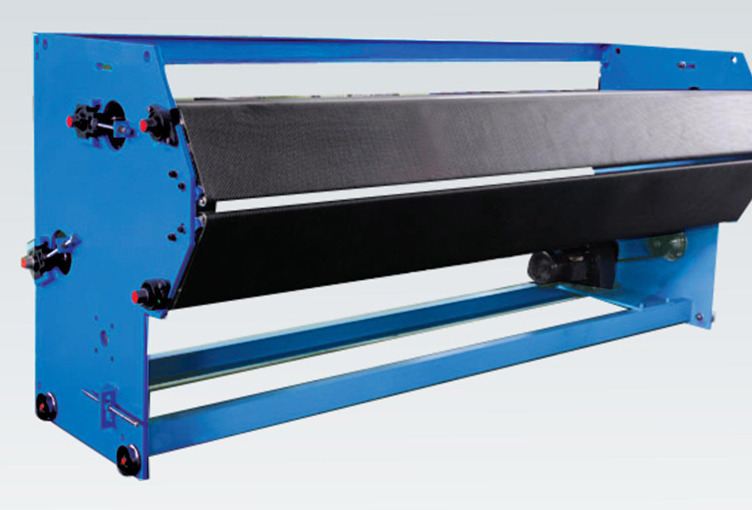
Zhentai Cross Lapper
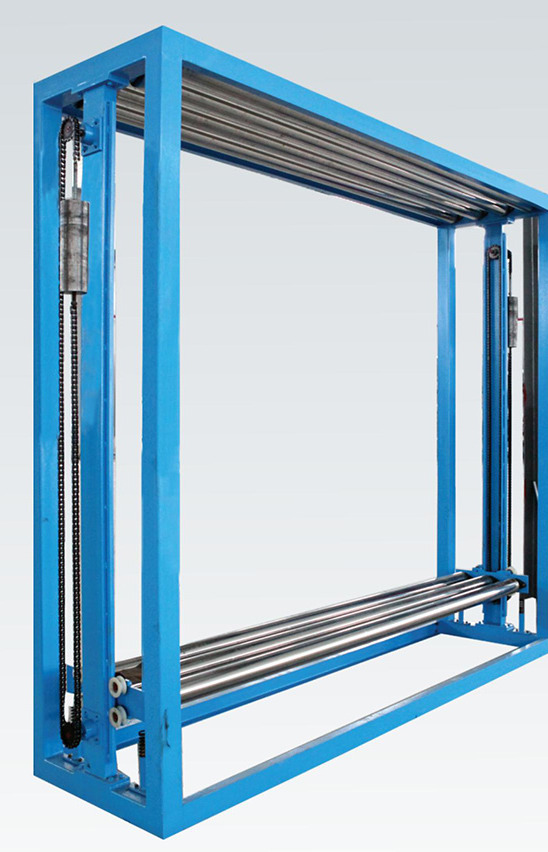
Zhentai Vertical laying
Zhentai ⅡHigh Speed Cross L Apper
Zhentai Five Shaft Cross Lapper
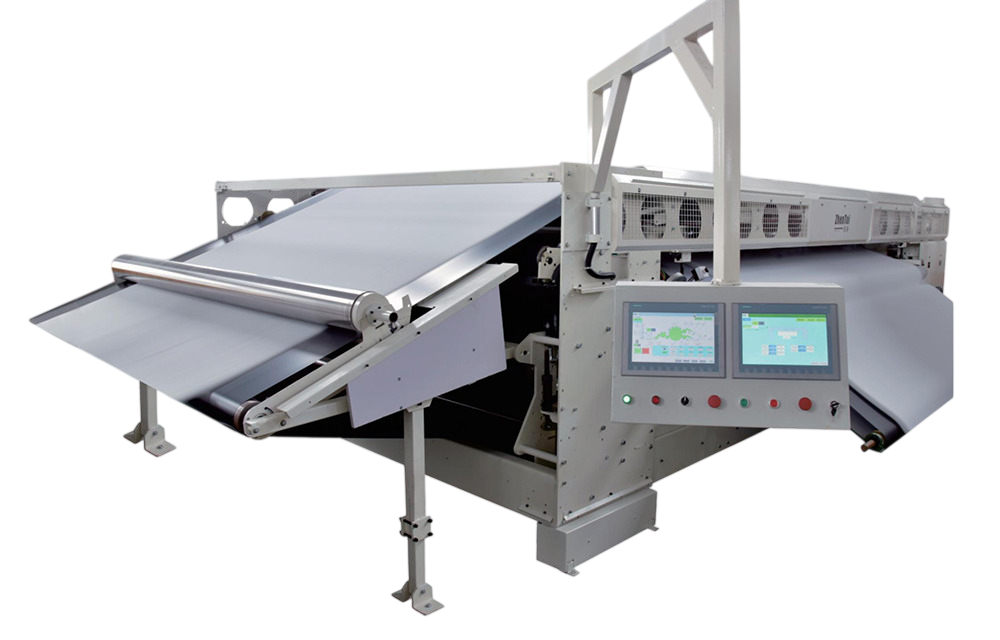
Zhentai Drafter
Spunlacing
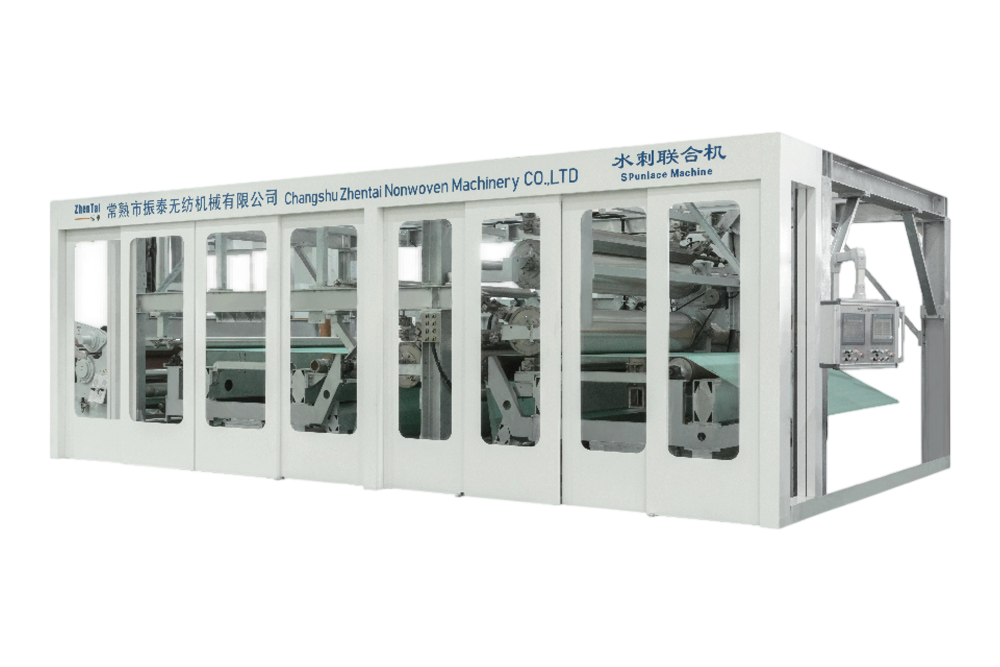
Zhentai Spunlace machine
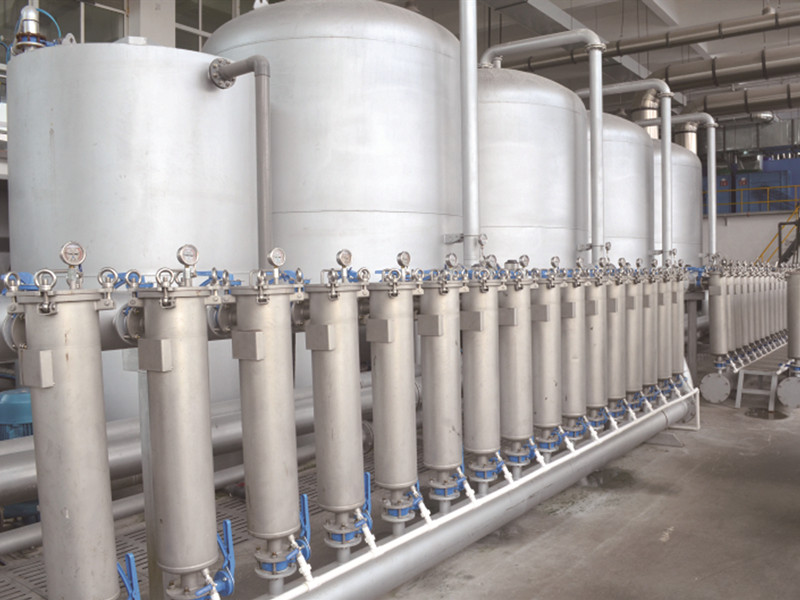
Zhentai Water treatment
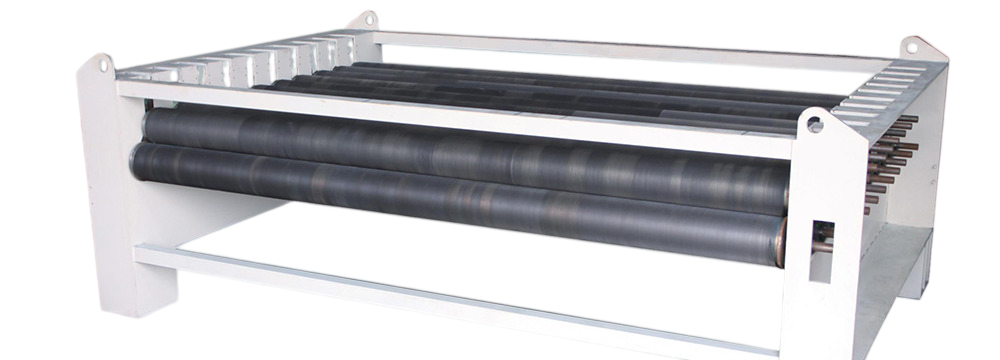
Zhentai Spunlace head
Needle Loom
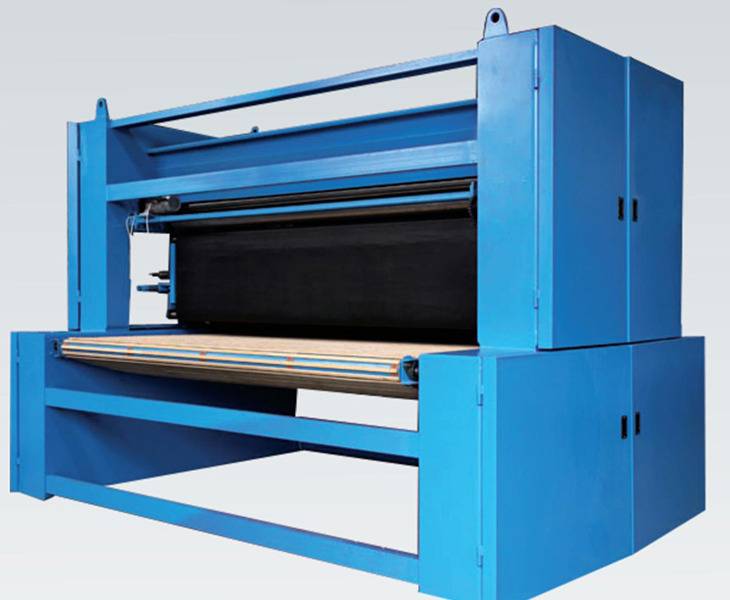
Zhentai Batt Feeder
Zhentai Pony Roll Feeding Machine
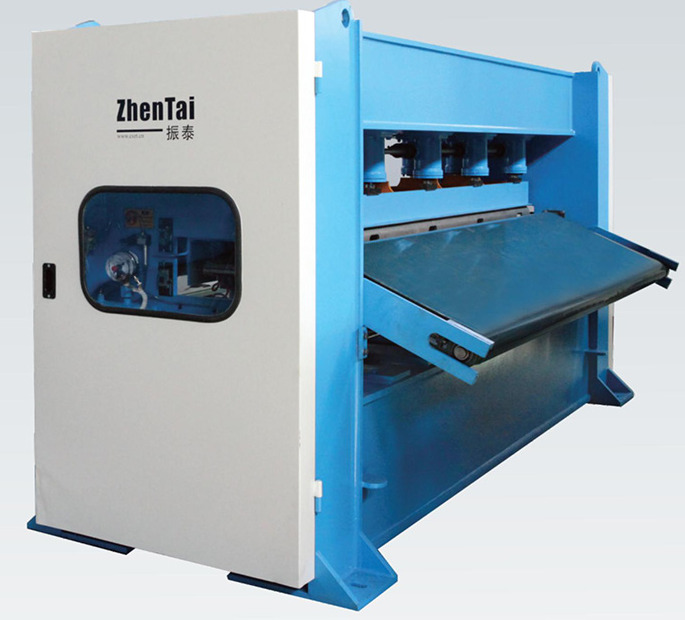
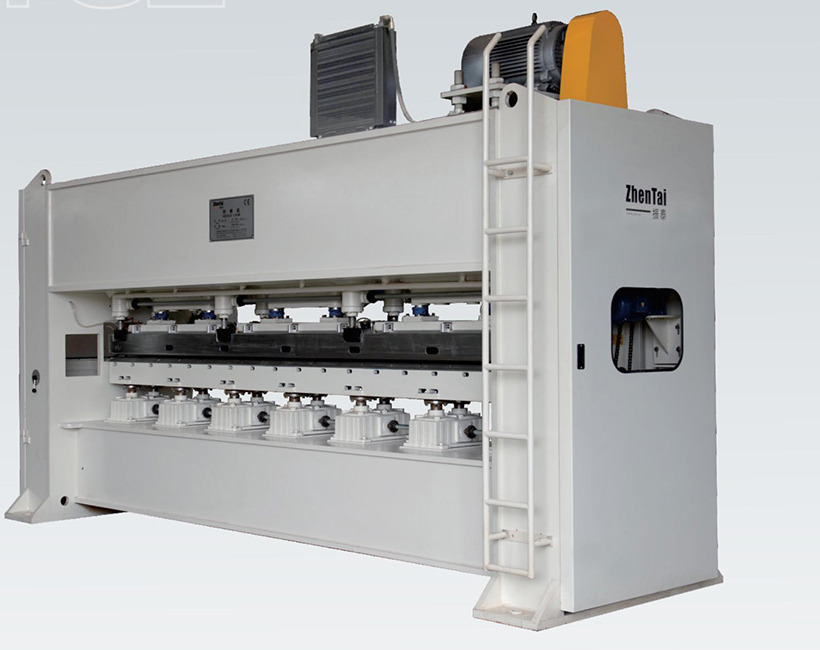
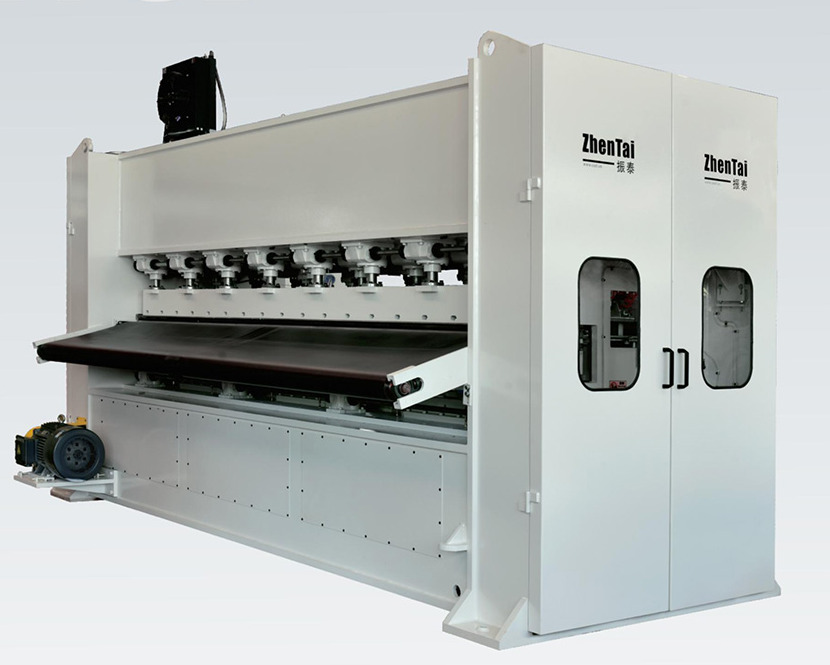
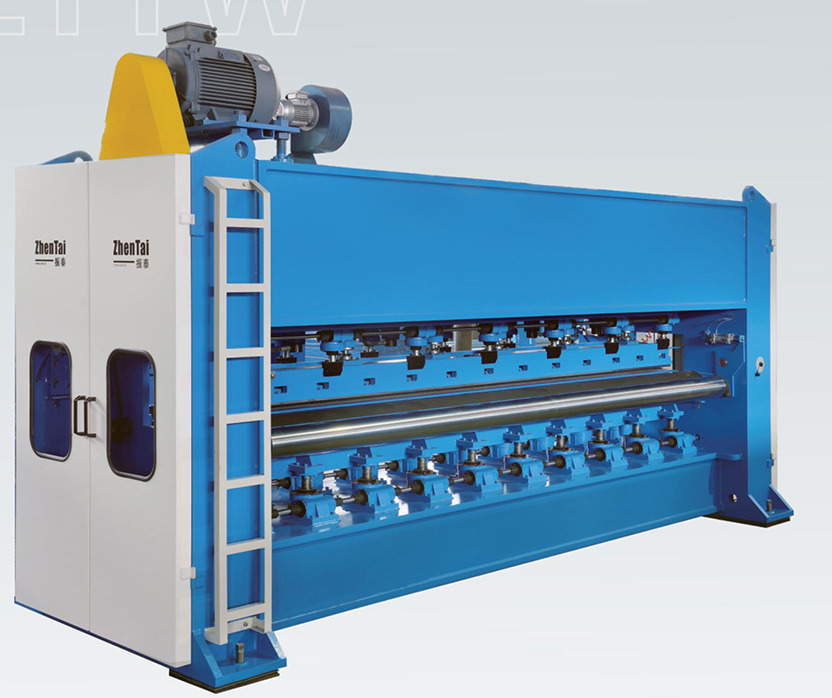
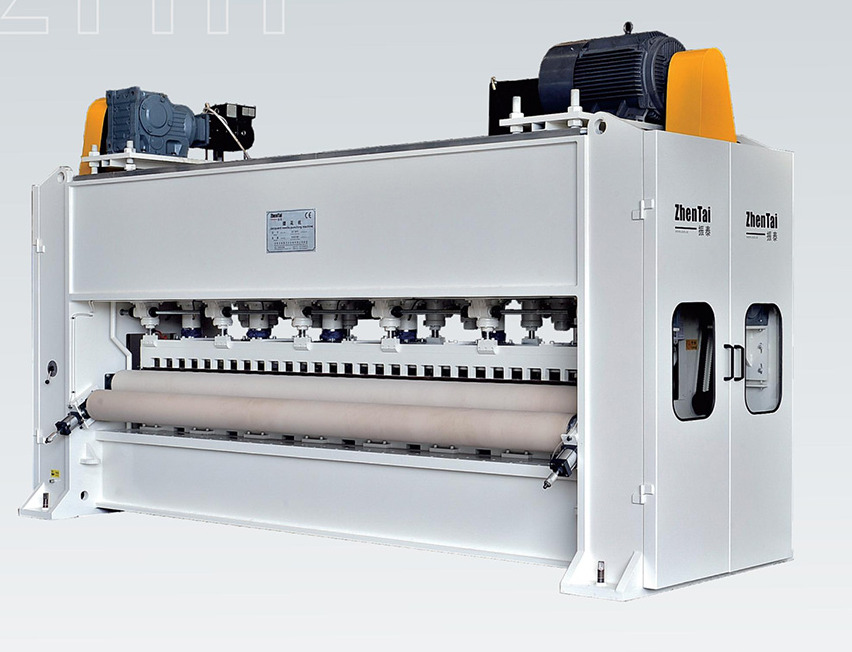
Zhentai Middle-Speed Needle Loom
Zhentai High-Speed Needle Loom
Zhentai High-Speed Counter Needle Loom
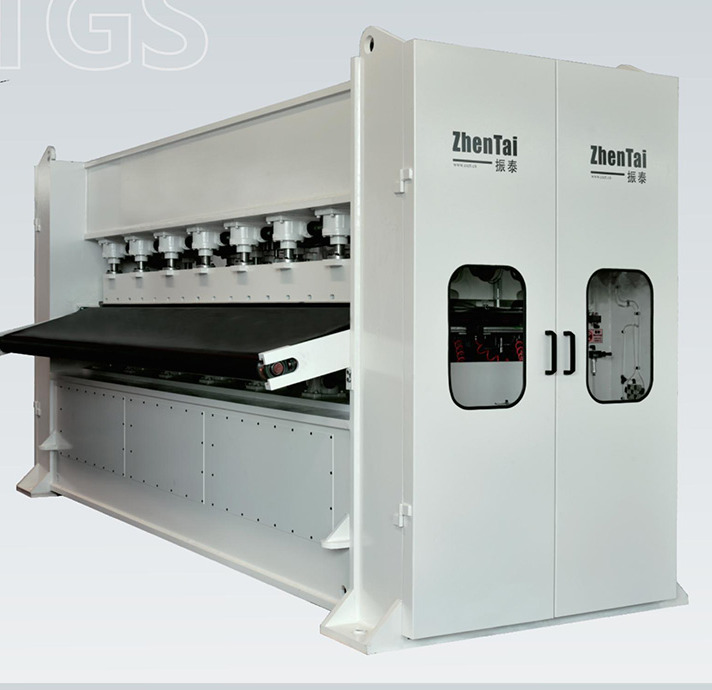
Zhentai High-Speed Double Boards Needle Loom
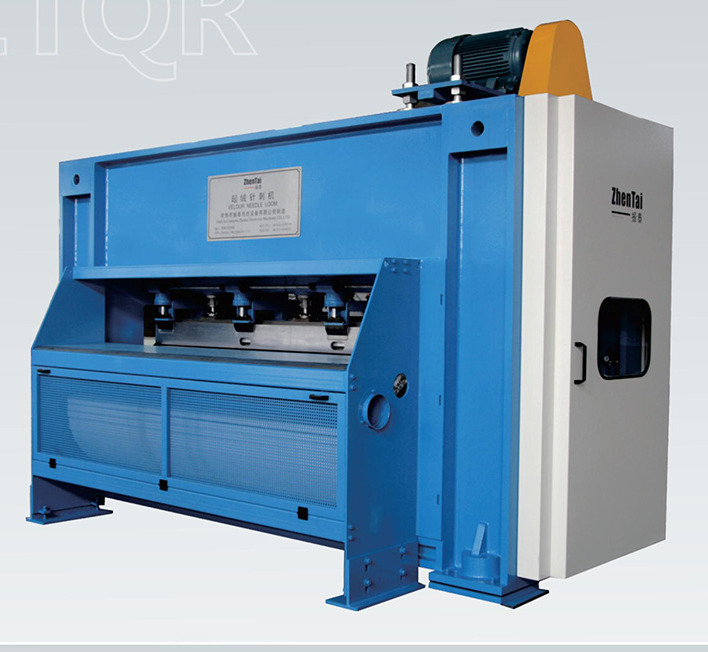
Zhentai Velour Needle Loom
Zhentai Striped Needle Loom
Zhentai Pattern Needle Loom
Thermal Bonding & Drying
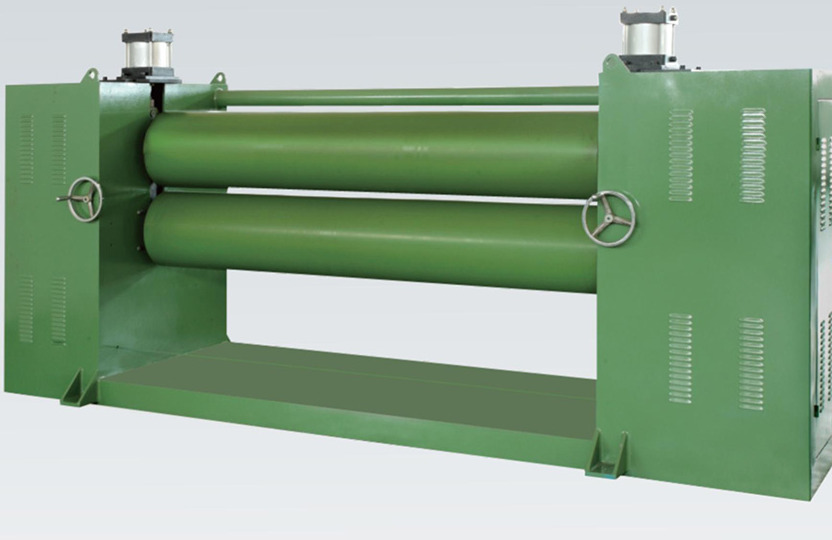
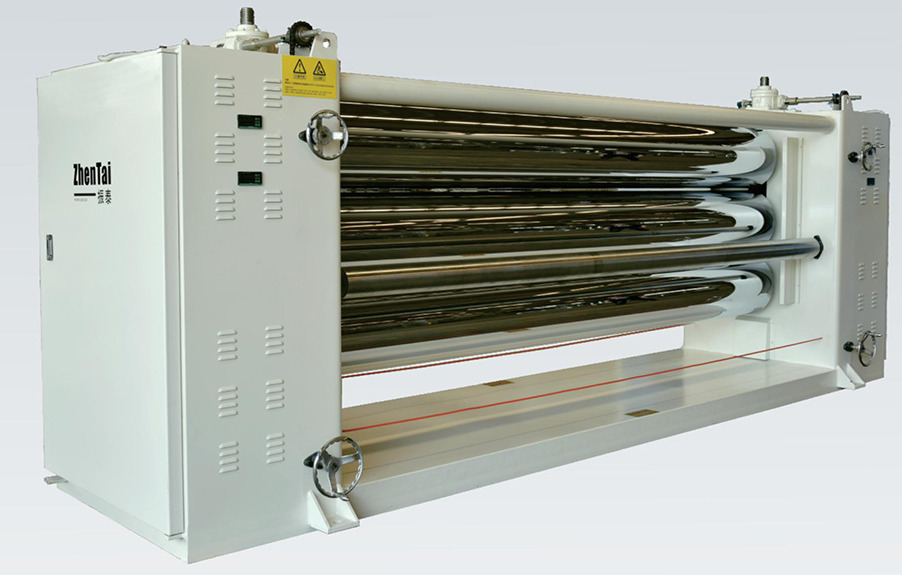
Zhentai Ironing Machine
Zhentai Hot Rolling Calender
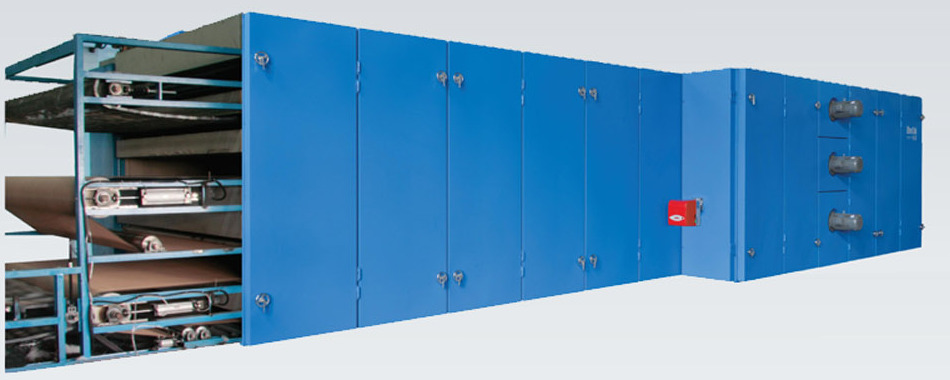
Zhentai Spray-Bonded Waddings Drying Machine
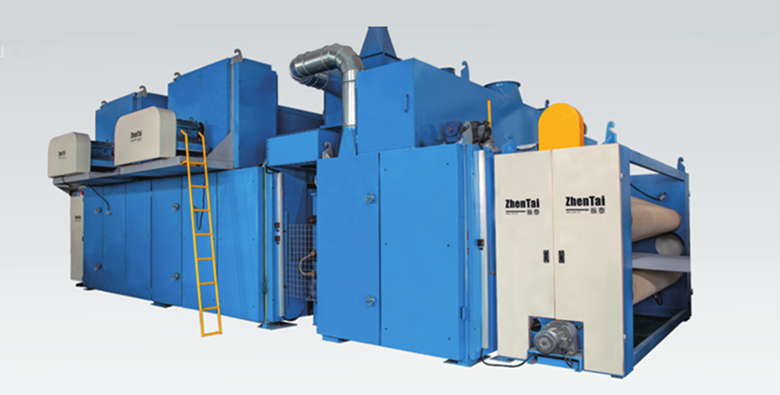
Zhentai Stiff Waddings Drying Machine
Auxiliary equipment
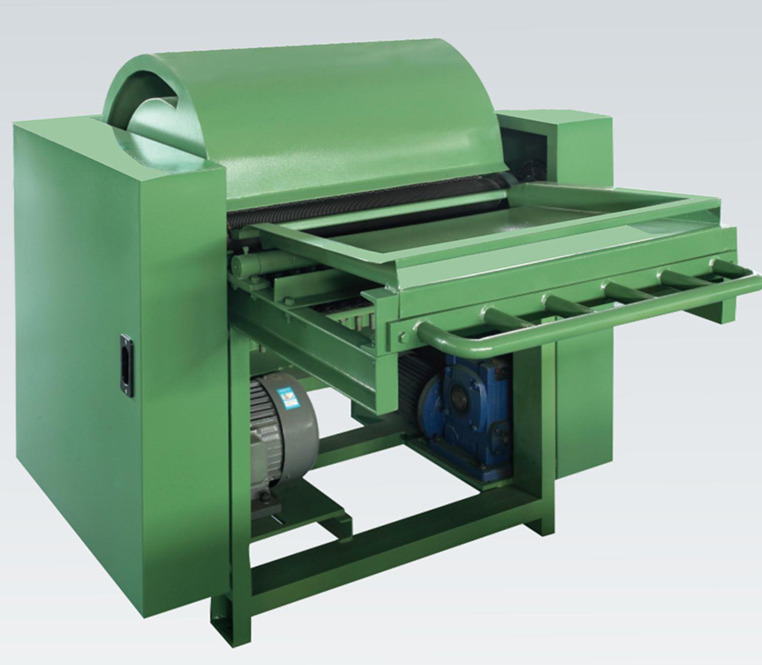
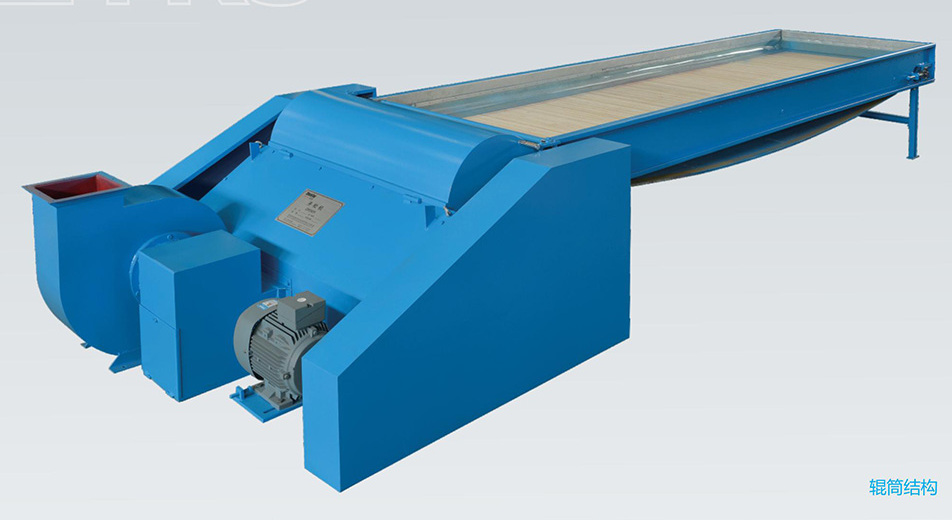
Zhentai Leftover Material Opening Machine
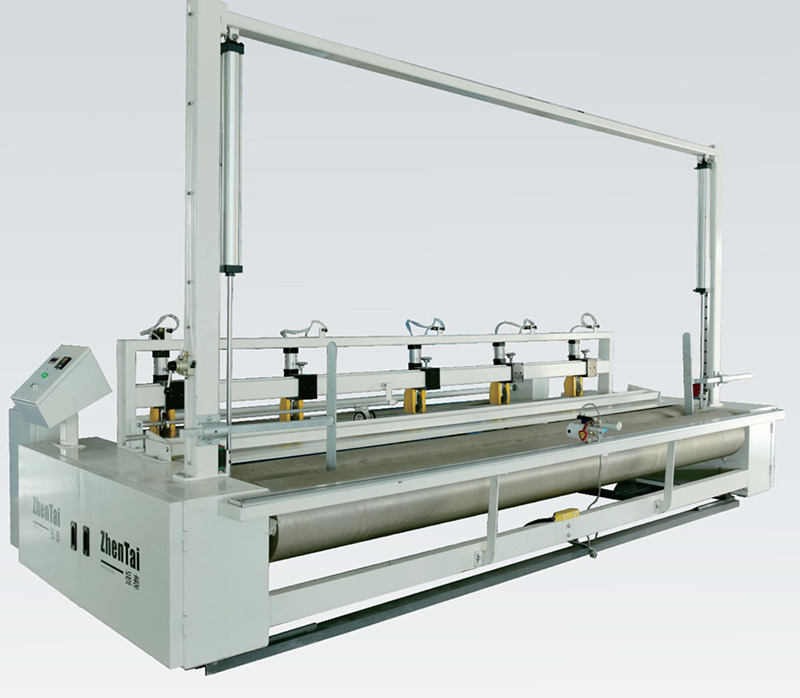
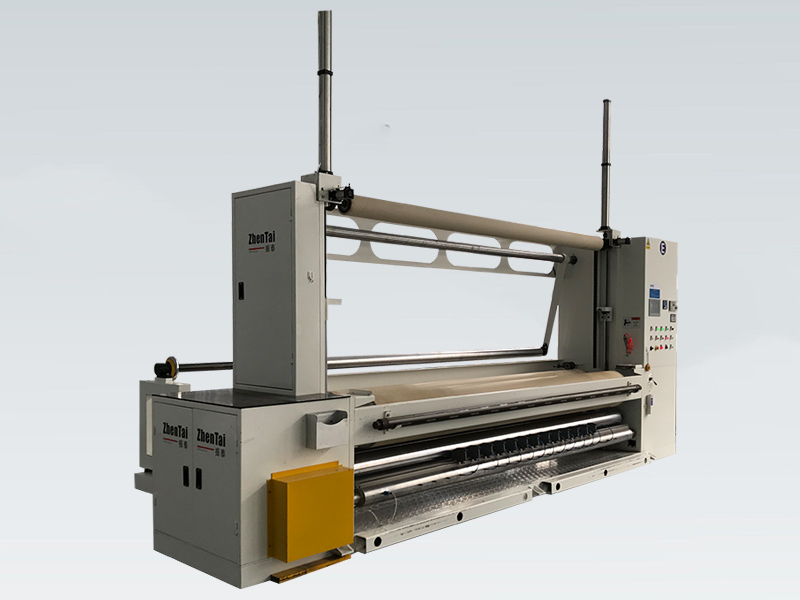
Zhentai Winding Machine
Zhentai Slitting machine
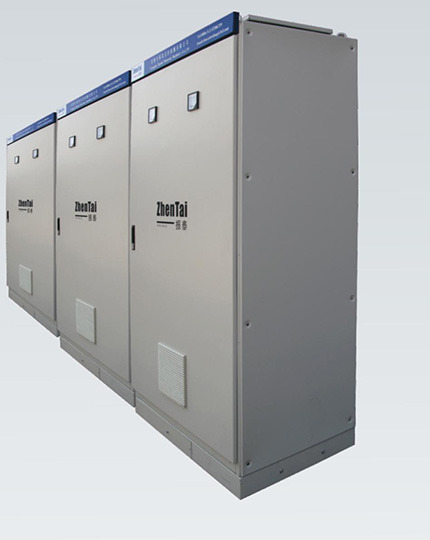
Zhentai Electricity Control Cabinet
Zhentai Fabric Storing
Complete lines
Zhentai Geotextile production line
No matching products found.
Choosing your line
What is a nonwoven production line?
A nonwoven production line is a chain of machines that turns loose fibre (PET, PP, viscose, recycled fibre and so on) into finished fabric without spinning or weaving. Instead of interlacing yarn, the fibre layers are bonded directly — mechanically by needling, hydraulically by high-pressure water (spunlace), or thermally.
There is therefore no single machine called a "nonwoven machine". The end product is decided by how the whole line is configured: the same opening–carding–web-forming section can yield a 500 g/m² geotextile or a thin filter felt, depending on the number of needling units, the needle density and the finishing stages behind them.
Which machines make up a needle-punch nonwoven line?
The stages follow the material flow, from the incoming fibre bale to the finished roll. Every stage can also be bought individually to extend or replace equipment on a line already running.
- Opening & blending — breaks open the bale and blends fibre types to a set ratio. Blend quality here decides how even the finished fabric will be.
- Feeding (pneumatic feeder) — feeds fibre to the card continuously and evenly; any weight fluctuation here passes straight through to the fabric.
- Carding — combs the fibre into a thin, parallel, even web. Web quality depends directly on the card clothing.
- Cross lapper — folds the web in a zig-zag to build the target width and weight, and balances strength in the machine and cross directions.
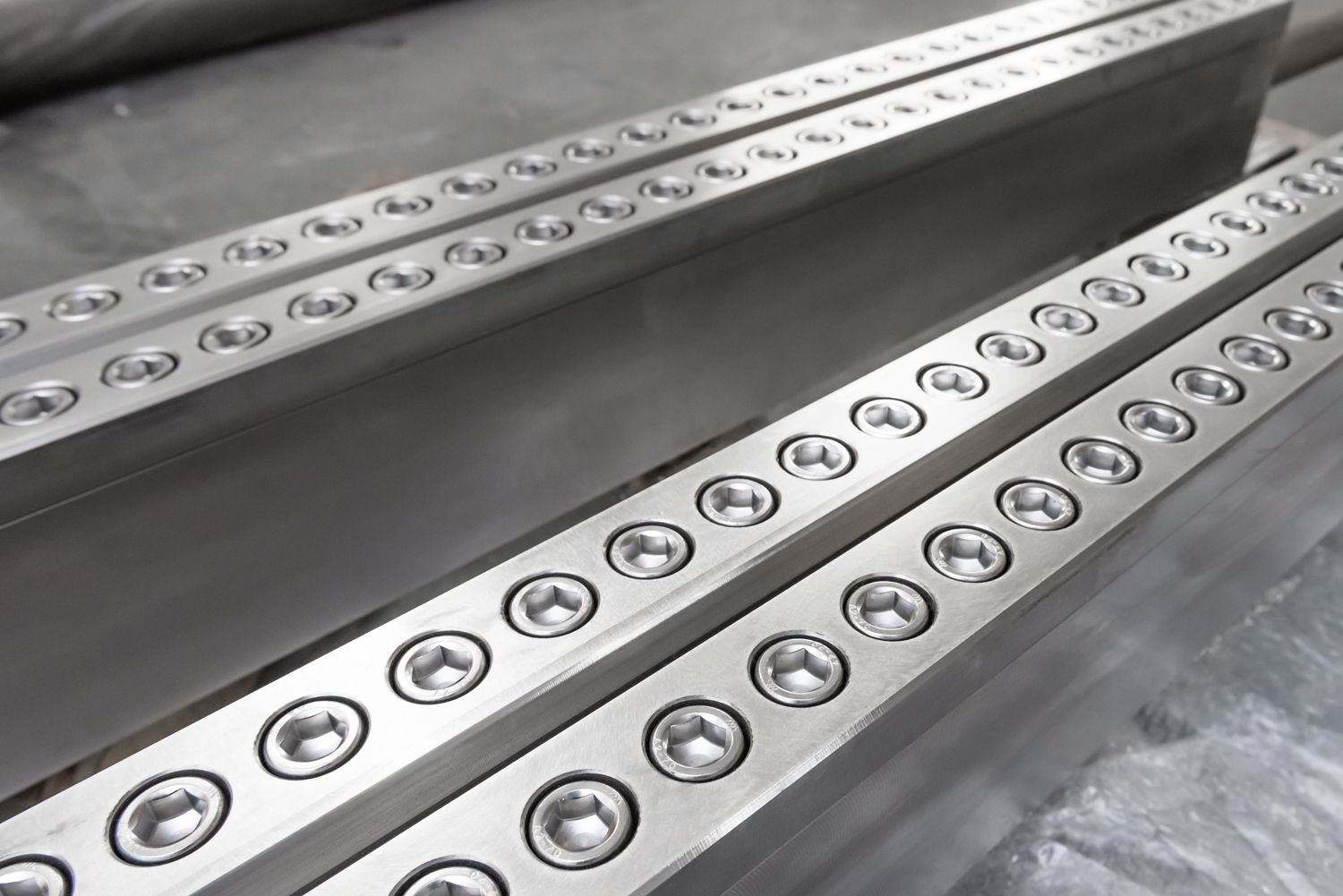
- Needle loom — thousands of barbed needles punch through the fibre layers, entangling them into a mechanical bond. Needles and needle boards are the main wear parts.
- Additional bonding — product-dependent: spunlace for soft light fabric, thermal bonding for binder-free wadding, or calendering to set the surface.
- Winding — trims the edge, measures length and winds the roll; a fast roll-change unit cuts downtime.
Configuring the line around your end product
Machine selection always starts from "which fabric are you going to sell?", not from a machine catalogue. Fabric weight (GSM), width and required mechanical strength dictate the number of needling units, the card width and the feeding capacity.
| Product family | Fabric characteristics | Primary bonding method |
|---|---|---|
| Geotextile | Thick, high tensile strength, water-permeable | Needle punch |
| Industrial filter fabric | High evenness, controlled air permeability | Needle punch + calendering |
| Artificial leather, shoe substrate | High density, smooth surface | High-density needling |
| Automotive interior & acoustics | Light, sound-absorbing, heat-resistant | Needle punch + thermal bonding |
| Wipes, medical fabric | Thin, soft, clean | Spunlace |
| Binder-free & rigid wadding | Lofty, resilient, shape-retaining | Thermal bonding |
What drives the investment
There is no single price for "a nonwoven line" — the gap between a narrow line for a small workshop and a wide, highly automated one is very large. Five factors drive most of the cost:
- Fabric width — a wider web means a wider card, cross lapper and needle loom, and with them a bigger building and foundation.
- Weight range (GSM) — very heavy or very light fabric each need their own configuration; the wider the range, the more flexible the line must be.
- Capacity — target output sets the feeding rate, the number of cards and how many needling units run in series.
- Automation level — belt weighing, automatic weight control and fast roll change raise capital cost but cut labour and waste.
- Consumables — needles, needle boards and card clothing are recurring operating costs and belong in the business case from the start.
A full line, or individual machines?
Both routes work. A greenfield plant usually orders a complete line so that speed, width and controls match across every unit from day one — avoiding the case where one section runs faster than the rest and becomes the bottleneck.
An existing plant more often upgrades in steps: a new card for better evenness, an extra needling unit for heavier fabric, or a new winder to cut downtime. Vina Nonwoven supplies both — the complete line or single machines — and advises the configuration around the product you intend to make.
Needle punch, spunlace or spunbond — what is the difference?
All three produce "nonwoven fabric" but bond the fibre differently, so they differ in both end product and line configuration. Choosing the wrong one is the most expensive mistake in the project, because a line can rarely be converted after installation.
| Technology | How fibre is bonded | Typical output |
|---|---|---|
| Needle punch | Mechanical — barbed needles entangle the layers | Thick, strong fabric: geotextile, filter felt, artificial leather, automotive carpet |
| Spunlace | High-pressure water jets entangle the fibre | Thin, soft, clean fabric: wipes, wet tissue, medical fabric |
| Spunbond | Continuous filaments spun from resin, then thermally bonded | Thin, even, continuous-filament fabric: bags, covers, some geotextile |
| Thermal bonding | Bicomponent fibre softens and fuses under heat | Lofty shape-retaining wadding: binder-free and rigid batting, mattress padding |
Choosing width and weight range
Width is the least reversible decision: the card, cross lapper, needling section and even the building are all built around it. A wider web gives more output per running hour, but only pays off when orders are large enough to run continuously — a wide line running short batches wastes edge trim and changeover time.
Set the weight range from products you already have buyers for, not from a wish to "make everything". A line stretched from very light to very heavy fabric always trades something away: extra needling units for heavy fabric make light fabric harder to control, and the reverse.
In practice most new investors start with a narrow weight range around one core product, then widen it by adding units once the market is proven.
Consumables and line maintenance
Operating cost on a nonwoven line concentrates in a few wear parts, and they affect fabric quality directly — not just the maintenance bill:
- Felting needles — wear reduces entanglement and fabric strength. Replace by set rather than individually, so punch density stays even across the width.
- Needle boards — enlarged or warped needle holes let needles sit off-axis, leaving streaks and holes in the fabric surface.
- Card clothing — governs web evenness. Worn card wire is the most common cause of uneven fabric weight.
- Belts and cleaning units — fibre build-up skews the web and causes unplanned stops; scheduled cleaning is far cheaper than one line stoppage.
Installation, maintenance and spares in Vietnam
A nonwoven line is a long-term investment, so after-sales capability matters as much as the machine. Vina Nonwoven is the authorized representative in Vietnam: configuration advice before you order, supervised installation and commissioning, scheduled maintenance, and consumables held locally — no waiting on the parent company every time needles or card clothing need replacing.
The site does not list prices because every configuration differs. Send a request with your end product, fabric width, weight and target output, and our engineers will propose a configuration and a quote.
Frequently asked questions
What stages make up a needle-punch nonwoven line?
A complete line covers opening & blending, carding, web forming with a cross lapper, needle-punch, and bonding methods such as spunlace or thermal bonding. Vina Nonwoven supplies machines for each stage or the full line.
What is needle-punch nonwoven fabric used for?
Needle-punch nonwoven is used for geotextiles, carpets, backing fabrics, industrial filter media, synthetic leather and many other industrial applications. The fabric type and weight depend on the line configuration.
Which brand manufactures the nonwoven-line machinery?
The machinery is made by Zhentai. Vina Nonwoven is the authorized Zhentai representative in Vietnam — advising on configuration and handling installation, maintenance and warranty locally.
How do I get a quote for a full nonwoven line?
Contact Vina Nonwoven by hotline or Zalo with your target fabric, weight and capacity — our engineers will advise on the configuration and quote accordingly. This is a quote-driven site with no online prices.
Pick at least 2 products to compare.
Compare products
Talk to our engineers
Leave your details — our engineers will advise on configuration and a quote that fits your production needs.