Nonwoven geotextile is produced on a complete nonwoven line, not from a single machine. The most common technology is needle punch, and some geotextile is also made by PET spunbond. This guide explains what geotextile is, which machines produce it, and which technology to choose for your product.
What is geotextile?
Geotextile is a nonwoven fabric used in construction and infrastructure, with four core functions: separation of material layers, reinforcement of soil, filtration and drainage. It shows up in roads, dikes, landfills, reservoirs, hydraulic works and erosion control.
Most geotextile on the market is needle-punch nonwoven — fiber (PET or PP) bonded mechanically with needles to give a thick, tensile-strong, water-permeable fabric with no chemical binders.
What machine makes geotextile?
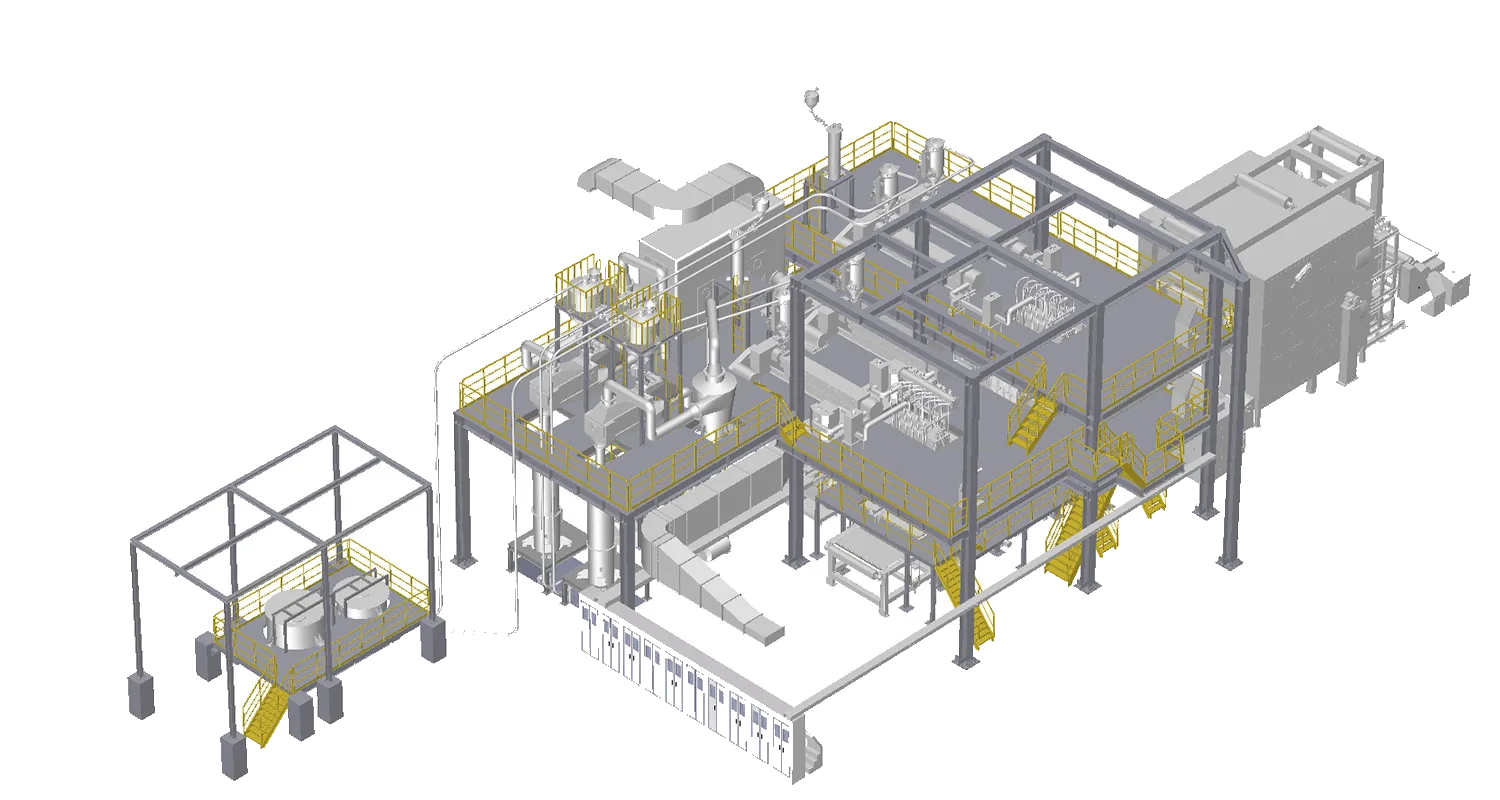
There is no standalone “geotextile machine” — geotextile is an output configuration of a nonwoven line. There are two main technologies:
- Needle-punch line — the most common way to make geotextile. See the needle-punch line category (Zhentai).
- PET Spunbond line — spins continuous filaments then bonds them by heat, used for some geotextile and waterproofing fabric. See the PET Spunbond category (Huayang).
What machines make up a needle-punch geotextile line?
A standard needle-punch line runs these stages in material-flow order:
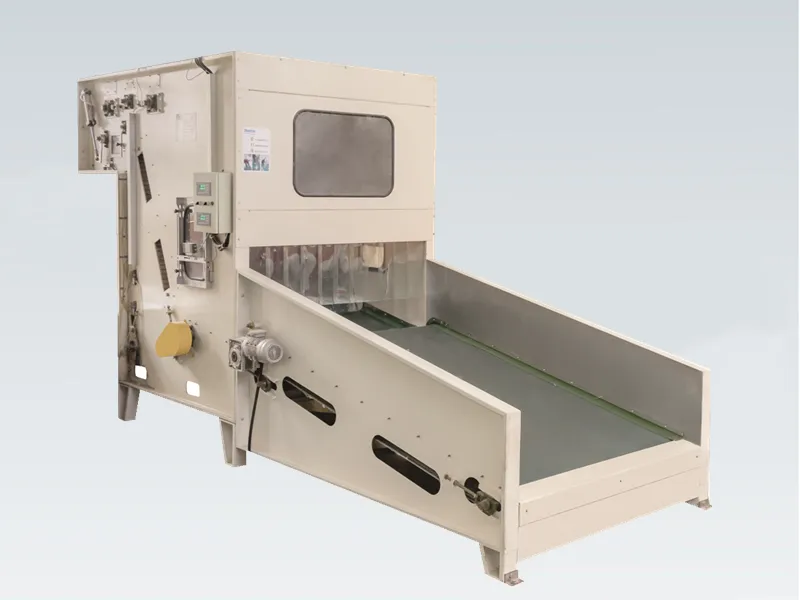
- Fiber opening & blending — opens and evenly mixes the incoming PET/PP fiber.
- Carding machine — forms a thin, even fiber web; quality depends on the card clothing / carding wire.
- Cross lapper — layers the web to reach the target weight and width; see the role of the cross lapper.
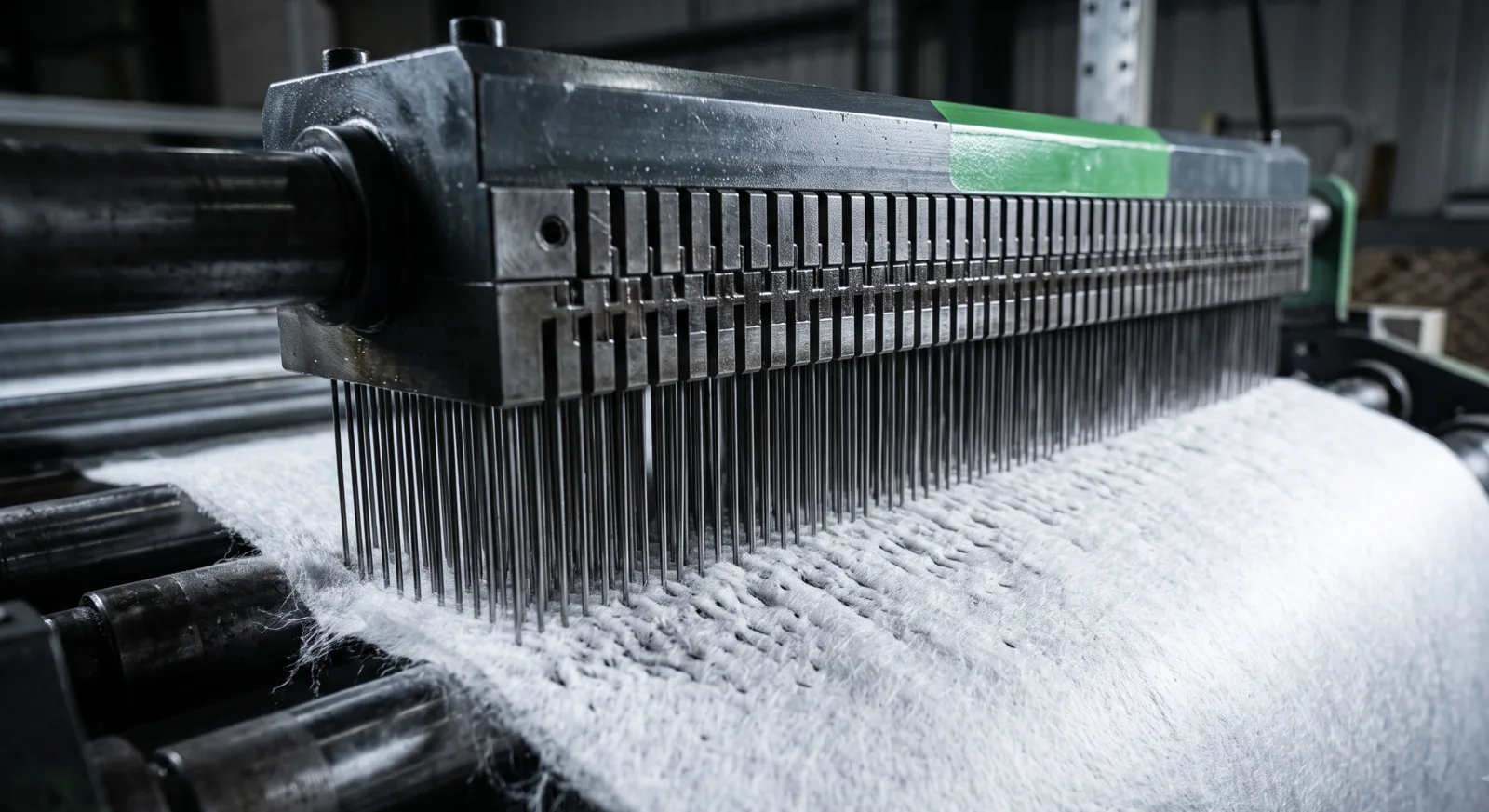
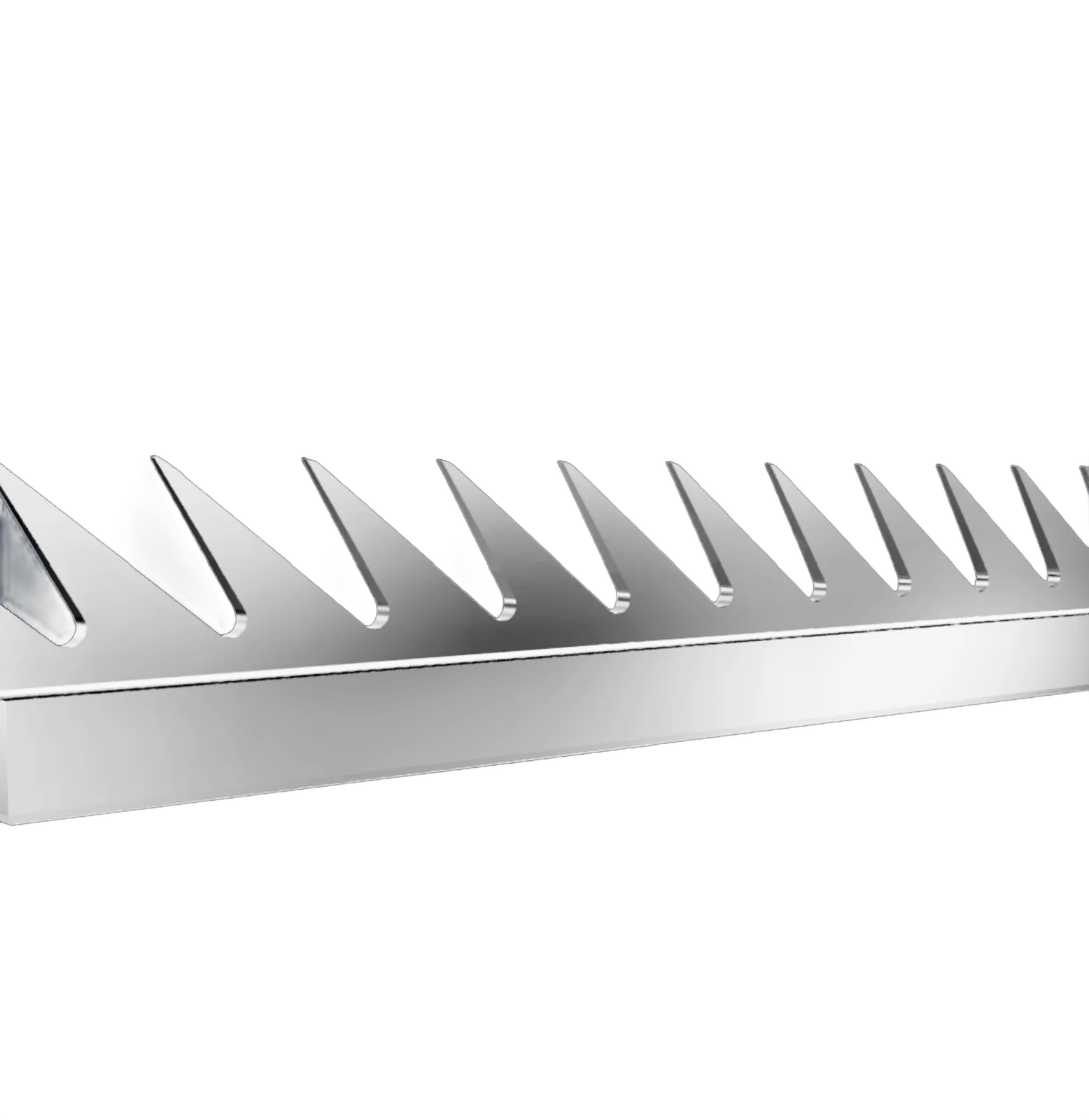
- Needle loom — barbed needles punch through and mechanically bond the layers; the needles and the needle board are the main wear parts.
- Calender / thermal finishing — increases strength and finishes the surface.
- Winder — winds the finished geotextile.
For a step-by-step breakdown, see the needle-punch production process.
Which technology should you choose for geotextile?
Machine choice starts from the end product:
- Needle punch — gives thick, high-mechanical-strength geotextile with good permeability. Suited to soil reinforcement, layer separation, filtration and drainage — the largest geotextile application group.
- PET Spunbond — gives thin, even, continuous-filament fabric at high output.
Still deciding? See needle punch vs spunbond and what machines you need to open a nonwoven workshop.
Investment and quotes
The cost of a geotextile line depends on fabric width, weight (GSM), capacity, level of automation and the technology (needle punch or spunbond) — there is no fixed figure. See the cost of investing in a nonwoven line for the cost factors.
Vina Nonwoven is the Vietnam distributor of needle-punch lines and PET Spunbond lines — the two technologies that make geotextile — with spare parts, installation and maintenance handled locally. Contact us by hotline or Zalo for advice on the configuration that fits the geotextile you plan to make, and a quote.