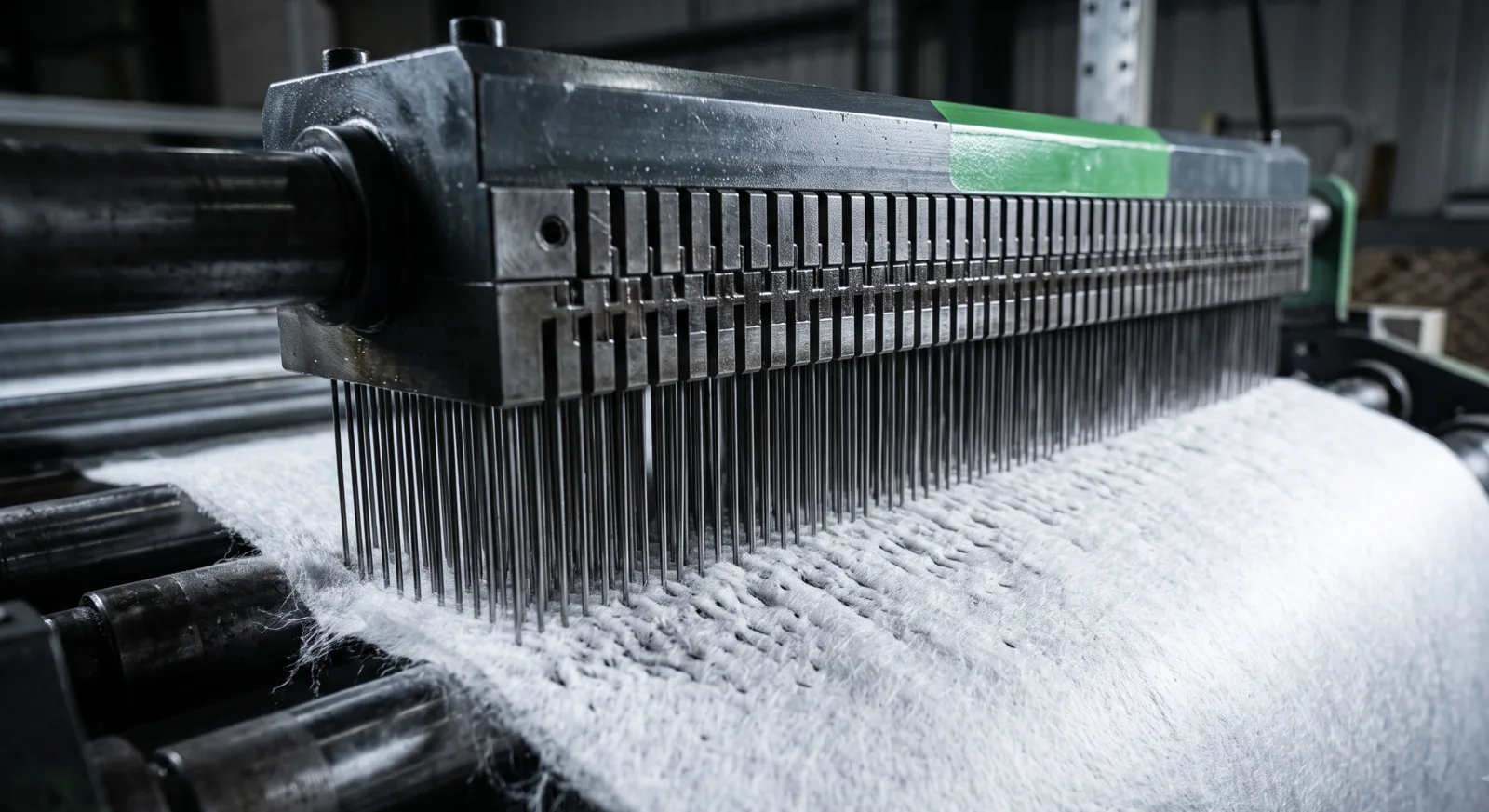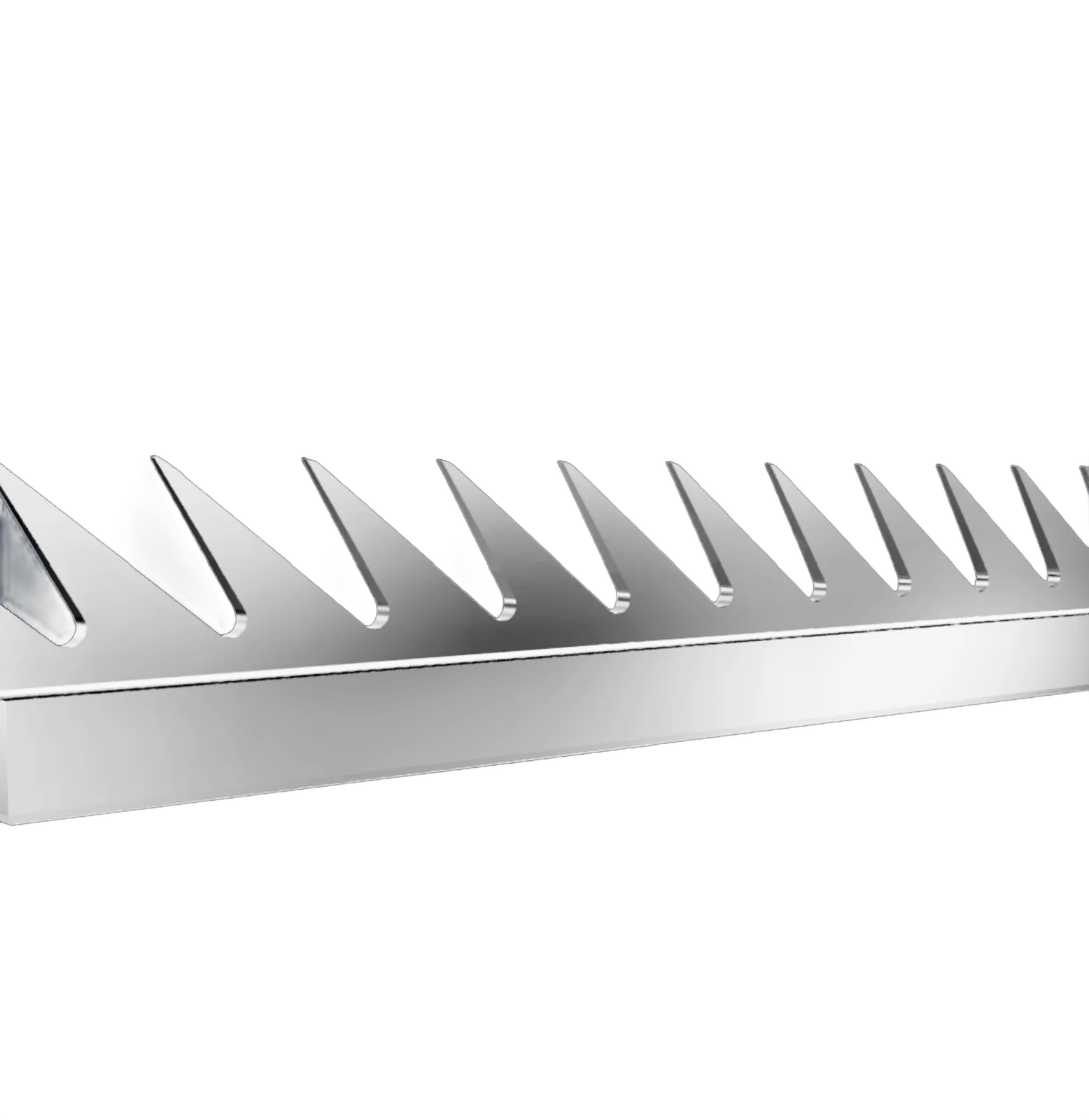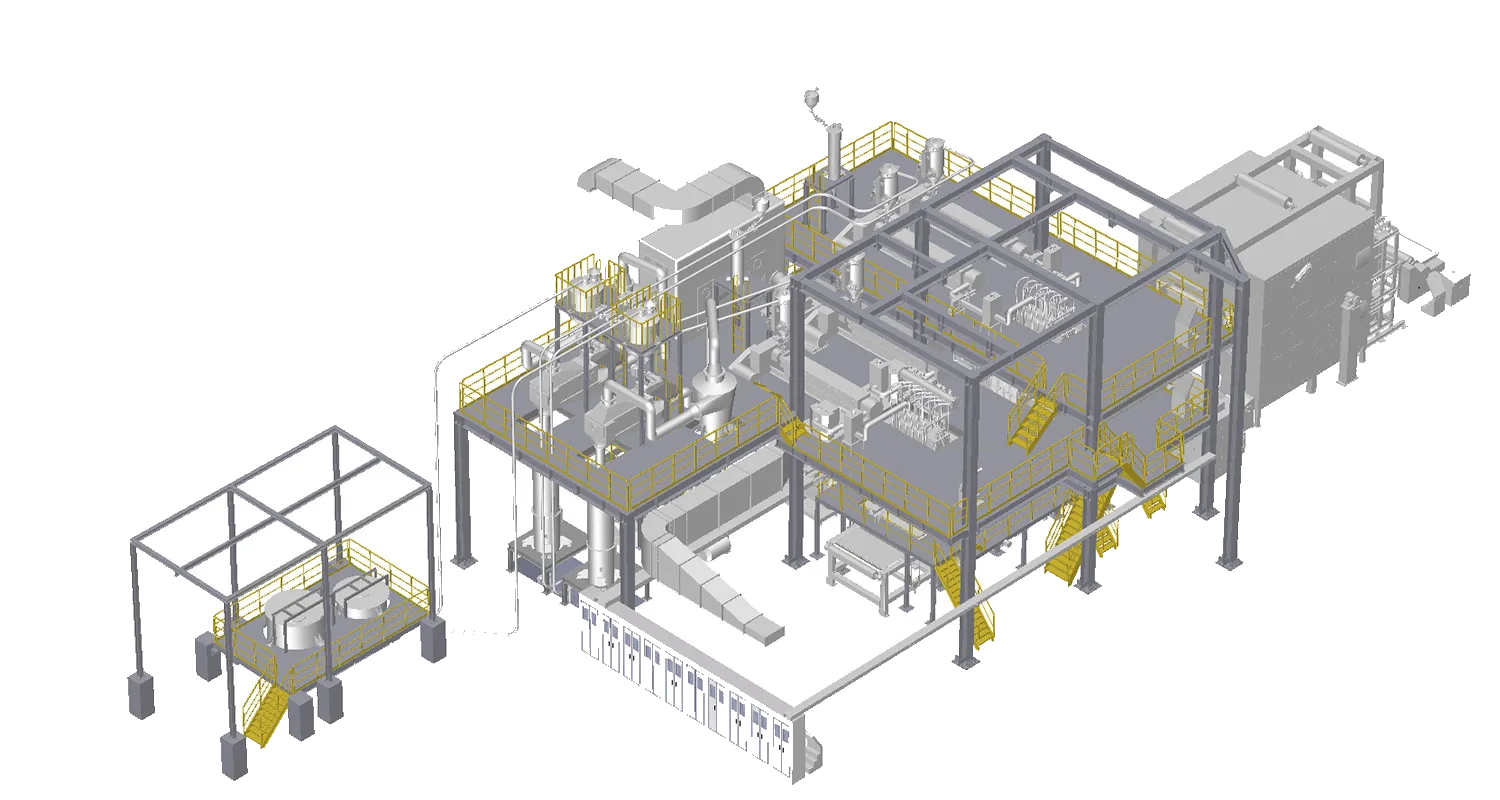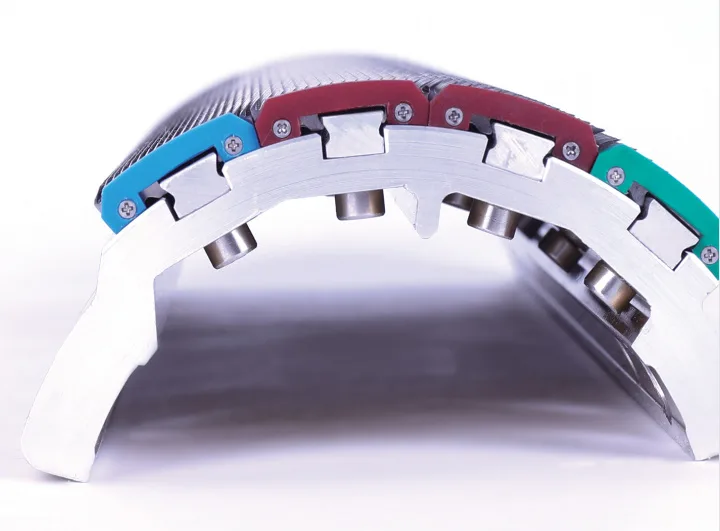
A circular comb is the toothed comb segment mounted on the combing cylinder of a comber, which rotates through the fibre fringe while the nipper clamps it and pulls short fibres, neps and trash out of the fibre stream. It is the part that physically performs the combing action, so its tooth condition sets both the noil percentage and the evenness of the combed sliver. The circular comb belongs to the card clothing family and is a consumable — once worn, it is replaced as an assembly.
Where combing sits between carding and drawing
A card opens the fibre and strips out most of the trash, but it does not sort fibre by length: card sliver still carries short fibre, neps and seed-coat fragments, and spinning that straight through gives lower strength and far more imperfections. Combing is the only stage in the cotton spinning route that genuinely removes short fibre on the basis of fibre length.
The combed-yarn sequence usually runs: carding → pre-comb drawing → lap former → comber → post-comb drawing → roving → ring spinning. The circular comb sits at exactly that hinge, which is why anything wrong with it propagates straight through every stage downstream.
What the circular comb does on each cycle
Each combing cycle repeats five actions:
- Clamping. The nipper closes onto the fibre sheet, leaving a free fringe of fibre projecting ahead of it.
- Combing the leading end. The cylinder turns and the comb’s teeth sweep along the fringe: fibres long enough to be gripped by the nipper pass through, while short fibre, neps and trash are dragged out.
- Clearing the noil. What comes out is the noil, and the brush and suction must lift it clear of the teeth before the next revolution — noil left in the teeth means the comb stops combing.
- Piecing. The nipper opens and moves forward, and the detaching rollers draw the combed fringe back onto the tail of the previous cycle’s web.
- Combing the trailing end. The top comb descends into the trailing portion to comb the section the circular comb cannot reach.
Circular comb vs top comb
| Circular comb | Top comb | |
|---|---|---|
| Position | On the combing cylinder, below the nipper | On the nipper assembly, above the fringe |
| Motion | Rotates continuously with the cylinder | Drops in and lifts out once per cycle |
| Section combed | Leading end of the fringe | Trailing end of the fringe |
| Construction | Combined assembly, several needle bars and tooth rows | A single row of fine needles on one bar |
| Wear mode | Abrasive wear from sweeping through fibre and trash | Bent, misaligned needles from penetration |
Because they wear differently, the two parts are not replaced on the same schedule and cannot substitute for each other.
How tooth condition drives noil percentage and yarn evenness
Noil percentage is set primarily by machine settings: feed per cycle, nipper gauge and the detachment setting. At one fixed set of settings, the condition of the teeth pushes actual noil off target in two opposite directions:
- Blunt teeth, rounded tips. The comb no longer catches all the short fibre and neps and noil falls below target — on the report that looks like saving cotton, but the short fibre and neps carry on into the sliver and show up in the yarn as imperfections, hairiness and lower strength.
- Bent teeth, fibre lodged between teeth. The comb drags out good long fibre as well, so noil climbs above target and real cotton is wasted; trapped fibre is also carried into the following cycle, producing periodic sliver faults.
And if the combing heads on one machine are in unequal condition, each head runs its own noil level and the combined sliver comes out uneven. That is why the White Shark circular comb uses a patented conical-tooth design with sharp, smooth, wear-resistant tooth tips, and offers 90°/110° carding surfaces with a range of needle-bar density combinations, combing consistently with no fibre inlay between the teeth.
Wear, cleaning and replacement practice
The comb sweeps through fibre carrying trash, seed fragments and sand at a high nip rate, so tooth tips wearing down is simply expected; the job is to catch it early:
- Track noil and nep counts in the combed sliver head by head — noil drifting off target with settings unchanged is the first signal.
- Check the brush, suction duct and noil box every shift: weak suction or a worn brush leaves noil in the teeth, with the same effect as a blunt comb.
- Inspect the tooth tips when the machine is down: rounded, flattened, bent or fibre-wound tips need action — but never scrape or knock them clean, because bent teeth do more damage than blunt ones and cannot be straightened back.
- Replace across all combing heads at once, never a single head, so every head delivers the same noil level.
The interval depends on cotton grade, trash content, nips per minute, lap weight and machine hours — no running-hour figure is correct for every mill, so judge it from your own line’s noil and nep data.
When you ask for a price, send the comber model, the carding surface currently fitted, the current tooth density and the cotton being run — those four details are enough to pin down the right comb assembly.
Vina Nonwoven supplies circular combs and the full range of genuine White Shark card clothing & carding wire in Vietnam, along with GERON card wire for carding rollers — contact us by hotline or Zalo for advice on the right carding surface and tooth density, and a quote. See also our article on card clothing for how each type of wire is named by its position on the machine.